
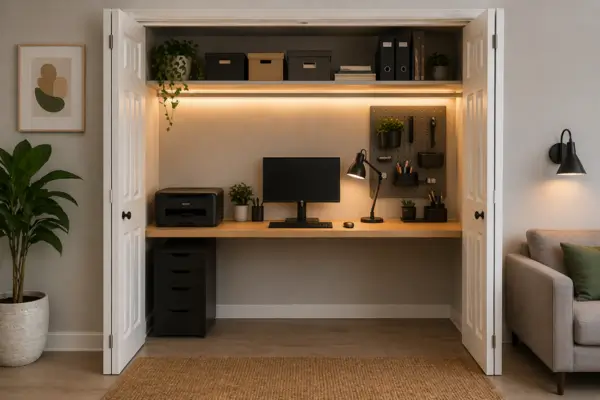
Working from home doesn’t always come with the luxury of a dedicated workspace. In reality, many people rotate between the kitchen table, a corner of the couch, or whatever surface happens to be available. At first, it feels manageable—but over time, the downsides become clear. Constant setup and teardown, unfinished arrangements, and a lack of …
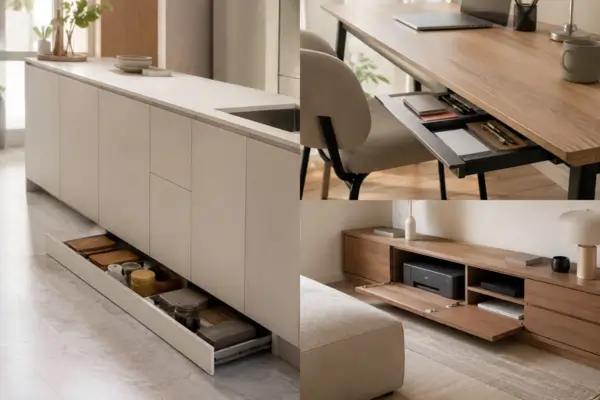
Working from home requires more than productivity skills — it also demands the ability to switch off professional mode and return fully to your personal space. In compact homes, one of the biggest challenges is the constant presence of work materials, whether that means nail polish bottles, fabrics, tools, supplies, or inventory. This is exactly …
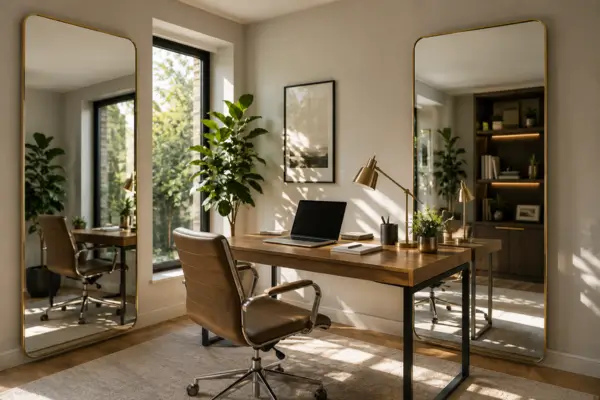
In a world where remote work has become a lasting reality, the home increasingly doubles as an office. Yet domestic spaces are not always designed for this transition, especially when it comes to dedicated work areas. Many people find themselves adapting a bedroom corner, part of the living room, or even a hallway into a …
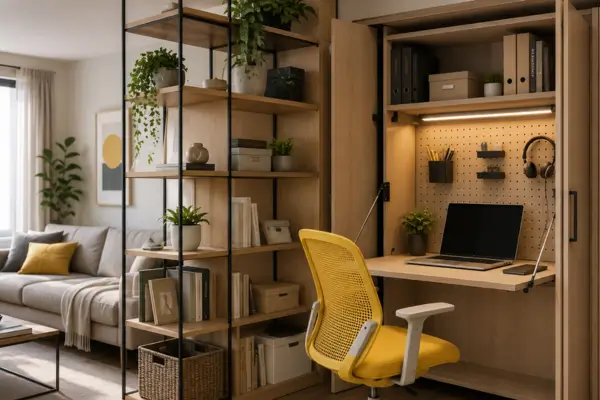
Remote work has changed the way we use our homes, creating a growing need for what can best be described as spatial flexibility. In smaller living spaces, shifting between rest and productivity has become a real design challenge. This is where modular and foldable furniture becomes especially valuable — an approach that treats organization as …
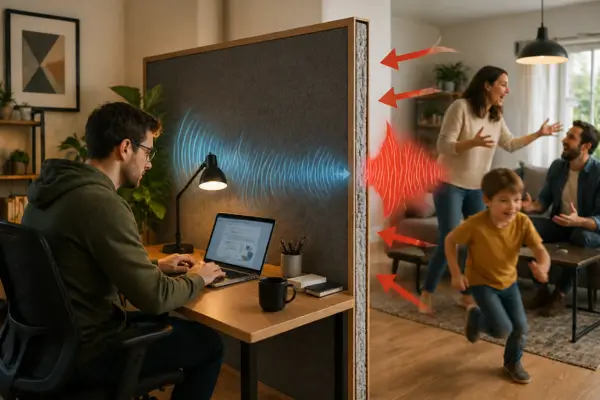
Working from home feels simple at first—until your surroundings start competing for your attention. Background conversations, constant movement, and sounds that travel freely through open spaces can disrupt your rhythm and make even simple tasks feel exhausting. In shared environments, it’s rarely about how loud things are—it’s the constant repetition that wears you down. Over …
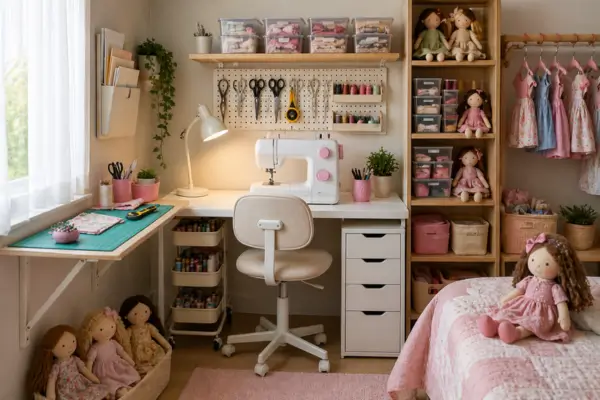
What often begins as a simple hobby something done in spare moments, without major expectations—can gradually take on a different scale. Opportunities start to appear, requests come in, and that is usually when the first doubt surfaces: “I don’t have enough space for this.” The idea of needing a larger area, or even renting a …
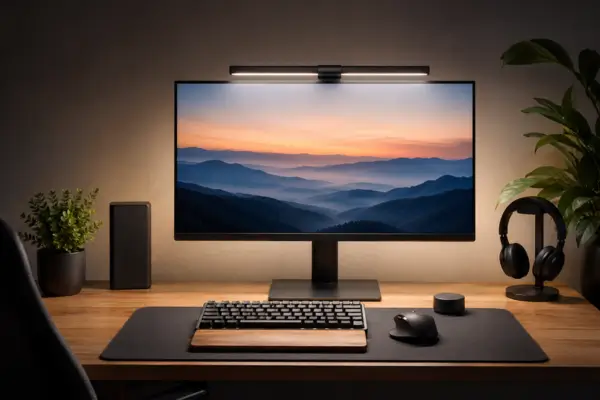
In the world of remote work, the efficiency of a compact workspace depends heavily on how intelligently every element is integrated into the environment. Limited space forces each component of a setup to do more than just fulfill its primary function — it also needs to actively contribute to organization and spatial efficiency. Traditional desk …
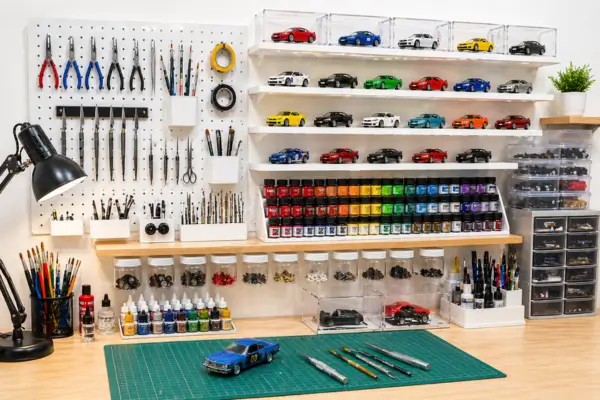
What begins as a casual hobby—something that quietly takes up just one corner of your desk—can quickly grow into something much bigger. Before you know it, that simple pastime starts bringing in requests, opportunities, and income, and almost without warning, it becomes a professional pursuit. That’s when reality becomes clear: the desk that once felt …
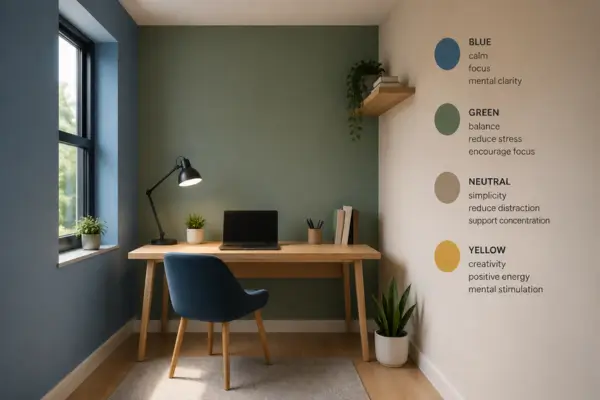
For a long time, wall color was treated as a purely aesthetic choice. However, with the rise of remote work and the need to turn small spaces into productive environments, color psychology has gained relevance as a strategic tool within the workspace. This shift didn’t happen by chance. Over the past few decades, research in …
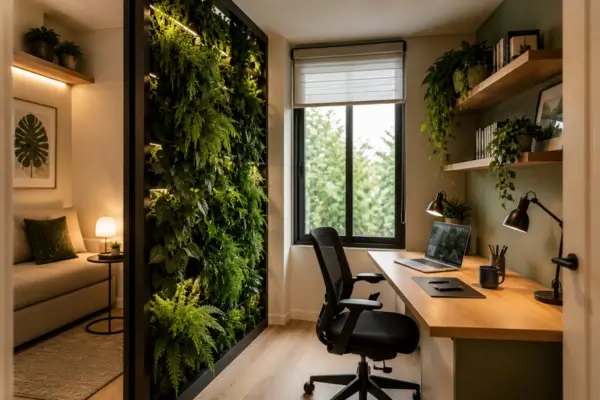
Remote work has become a lasting reality for millions of people, but the transition has not always come with ideal working conditions. For many, the “office” is still an improvised corner, a desk squeezed into the bedroom, or a small area adapted to fit daily demands. In compact living spaces, biophilic design goes far beyond …