Running an e-commerce business from home often feels like the perfect setup in the beginning. The freedom to manage your own schedule, work independently, and avoid the costs of a physical store attracts thousands of entrepreneurs every year.
Little by little, though, an empty room turns into storage space, a desk becomes a packing station, and daily life starts revolving around boxes, labels, orders, and shipping supplies scattered around the house.
The strain builds quietly. Most people do not immediately notice the physical and mental toll caused by repeating the same movements for hours inside cramped, improvised spaces. Tight shoulders, lower back pain, persistent fatigue, and difficulty concentrating slowly become part of the routine without drawing much attention at first.
This kind of strain rarely comes from a single heavy task. It grows through small habits repeated every day. A poorly positioned shelf, a table that sits too low, or a lack of room to move comfortably can create a level of physical stress that accumulates over time.
Small businesses tend to grow fast. The body does not always keep up with that growth.
When E-commerce Takes Over the House
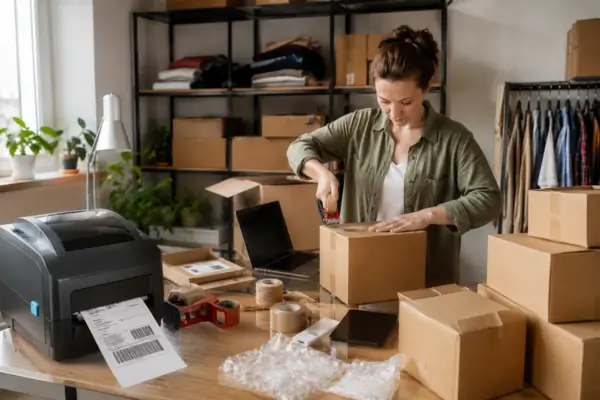
People running an e-commerce operation from home rarely realize how many repetitive movements happen during just a few hours of packing and shipping. Picking products, folding boxes, reaching for supplies, printing labels, sealing packages, and moving inventory may seem harmless individually. Together, they create a physically demanding routine.
The biggest problem with small spaces is not simply the lack of room. The real strain comes from constant twisting, awkward reaching, and leaning forward during packing tasks.
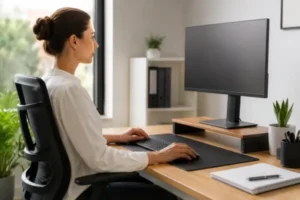
Many entrepreneurs spend hours preparing orders on tables designed for office work instead of logistics. When the workstation height is wrong, the body stays tense all day long. After a few weeks, pain in the neck, wrists, shoulders, and lower back starts becoming harder to ignore.
Small layout adjustments can completely change the flow of the workday.
Frequently used shelves should stay between waist and shoulder height. Lightweight products can be stored higher up, while heavier items should remain closer to hip level to reduce unnecessary strain when lifting boxes.
One detail many people overlook involves movement sequence. The less the body needs to rotate during the packing process, the lower the accumulated strain becomes by the end of the day. Tape dispensers, labels, scissors, and packaging materials should stay within natural reach to reduce repetitive movements.
Simple tools also make a noticeable difference. Lightweight tape dispensers, comfortable scissors, and small utility carts help reduce physical stress after weeks of repetitive use.
The physical strain is only part of what starts building up.
After spending an entire day surrounded by inventory and shipping supplies, many entrepreneurs remain mentally connected to work long after business hours end.
The Mental Weight of Living Inside Your Inventory
There is a huge difference between working from home and living inside your work.
Many e-commerce sellers start by storing products in a small corner of a bedroom or living room. As sales increase, inventory slowly takes over the space without the person fully noticing how much the environment has changed.
The brain never fully switches off when boxes, shipping supplies, and unfinished orders remain visible all the time.
Visual clutter constantly signals unfinished tasks. Even outside working hours, the feeling of pressure never completely disappears.
After a few months, signs of mental exhaustion start showing up. Difficulty focusing, irritability, ongoing overstimulation, and reduced creativity become increasingly common in poorly organized home operations.
Creating visual separation between work and personal life reduces much of this pressure.
A separate room is not always necessary. Simple dividers, shelving units, or even curtains can help the brain distinguish where work ends and personal space begins.
Visual overload creates another layer of mental fatigue. The more products, labels, and supplies remain visible throughout the day, the heavier the environment starts to feel mentally. Cluttered spaces keep the brain in a continuous state of alertness.
Experienced entrepreneurs usually try to minimize how much inventory stays exposed during the day. Closed storage, standardized boxes, and organized shelving create a calmer atmosphere and reduce the lingering sense of pressure.
Inventory management software also helps considerably. Tracking orders manually increases daily tension and creates nonstop anxiety about shipping mistakes or missing items.
Once the environment stops communicating chaos, productivity tends to improve naturally.
And there is another detail that quietly intensifies this exhaustion without drawing immediate attention.
Your Lighting May Be Draining More Energy Than You Realize
Most homes were never designed to support the visual demands of e-commerce work.
Packing orders, reading labels, organizing stock, and spending hours in front of screens require continuous visual focus. Poor lighting forces the eyes to work harder throughout the day.
At first, the discomfort feels minor. Over time, headaches, tired eyes, blurred vision, and difficulty concentrating become harder to ignore by the end of the workday.
Neutral white lighting usually works best for packing and shipping areas because it improves visibility without creating the harsh feeling caused by extremely cold lighting.
Lamp positioning also matters more than many people realize.
Overhead lighting creates strong shadows across boxes and labels, while monitors positioned directly in front of windows produce glare that increases eye fatigue even further.
A simple lighting combination usually creates a much more comfortable environment:
- soft ambient lighting;
- focused lighting over the workstation;
- reduced screen glare.
Short visual breaks also help more than most people expect. Looking away from nearby objects for a few seconds already reduces part of the accumulated eye strain.
While many entrepreneurs focus only on physical space, another invisible factor continues affecting energy, concentration, and daily comfort.
Your Workspace May Be Quietly Draining Your Energy
Temperature, airflow, and noise directly influence how the body responds during long work sessions.
Overheated rooms make simple tasks feel more exhausting. Stuffy environments increase fatigue even when the work itself is not physically intense.
Cold spaces create problems too. Muscles become tense, movements lose fluidity, and the body starts operating under lingering stiffness throughout the day.
Air quality is another common issue in smaller workspaces.
Cardboard boxes, bubble wrap, tape, and shipping materials release dust particles into the environment over time. Without proper ventilation, the air starts feeling heavy after hours of continuous work.
Some people develop eye irritation, respiratory discomfort, and recurring headaches without realizing their workspace may be contributing to the problem.
Air circulation changes the feeling of the room completely. Open windows, cross ventilation, and quiet fans already make a noticeable difference during long workdays.
Humidity levels deserve attention as well. Air that feels too dry increases respiratory discomfort, while excessive humidity creates a heavy, unpleasant atmosphere.
Noise is another silent source of fatigue. Printers, tape dispensers, traffic sounds, and continuous movement gradually increase mental tension even when the sounds themselves seem small.
Balanced environments allow the body to handle long workdays with far less physical and mental exhaustion.
In the end, business growth depends on more than the number of orders being shipped every day. The entrepreneur’s ability to preserve energy, focus, and long-term health also shapes how sustainable that business becomes over time.
Small changes inside the workspace reduce pain, improve productivity, and make daily operations feel lighter. A functional environment is not a luxury in home-based e-commerce. It becomes a silent tool that protects the body, reduces accumulated strain, and allows the business to grow in a healthier and more sustainable way.