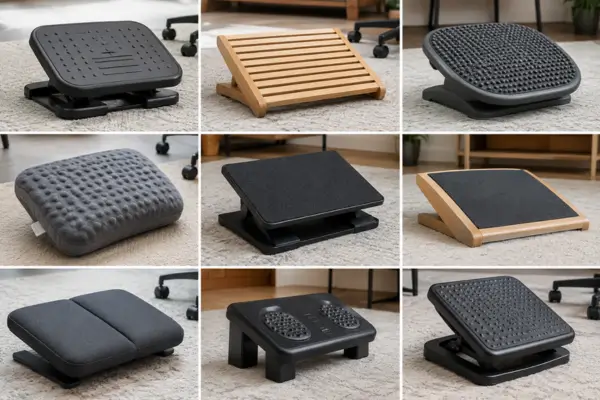
In many home office setups, comfort is usually associated with the chair or monitor height alone. But after spending hours in front of a computer, smaller details begin to shape how the body feels throughout the day. One of the most overlooked elements sitting quietly under the desk is the use of footrests.
The foundation of comfort and productivity often goes unnoticed during daily work routines. Without proper support beneath the feet, subtle tension can build gradually, making long hours in a chair feel more tiring than they should.
A footrest stops being just another desk accessory and becomes a stabilizing element that helps the body maintain a more natural and supported seated position during the workday.
But what actually happens when that support is missing, and how does it affect the body even when the discomfort is not immediately obvious?
The Desk Height Trap: When Your Feet Lose Proper Support
Adjusting the chair so the arms stay at a 90-degree angle to the desk is considered a basic ergonomic principle. The problem is that achieving the ideal desk height often creates another issue: the feet end up dangling slightly or resting poorly on the floor.
This situation, often unnoticed at first, can trigger a chain of physical discomfort over time.
Pressure builds behind the thighs due to the edge of the chair, making the legs feel heavier and subtly affecting the body’s balance while sitting. As posture shifts forward little by little, the lower back starts compensating to keep the body upright, increasing the sense of fatigue throughout the day.
A footrest works as the missing adjustment that helps restore balance between the desk, chair, and body position. By giving the feet a more stable base, it becomes easier to sit in a way that feels naturally supported rather than forced.
That discomfort that quietly starts in the legs is less likely to travel upward into the hips, shoulders, and neck as the hours pass.
What makes this connection interesting is how a small adjustment under the desk can influence the entire seated experience. Better support beneath the feet often changes not only physical comfort, but also how sustainable long periods of concentration feel over the course of the day.
Stability and Sustained Focus
When the feet do not have a comfortable place to rest, the body tends to spend the entire day making small unconscious adjustments in the chair. One leg changes position, the hips slide slightly forward, and eventually that vague sense of discomfort appears near the end of the workday.
Over extended periods, this constant instability makes sitting feel more exhausting than it needs to be.
A footrest helps create a firmer and more balanced foundation under the desk. With the feet properly supported, the body can remain comfortable for longer, reducing the constant need to reposition throughout the day. The effect is not purely physical. Working in a more stable position can also make the environment feel less draining mentally, especially for people who spend many hours focused in front of a screen.
Small Movements That Make Long Hours Feel Less Exhausting
Discomfort is not always caused by poor posture alone. In many cases, it comes from staying in the exact same position for too long. Some footrests help reduce that sensation by allowing slight rocking movements or gentle angle adjustments throughout the day.
Instead of keeping the legs and ankles completely still for hours, the support introduces a more natural sense of movement beneath the desk. These subtle shifts may seem insignificant, but they can make extended sitting feel noticeably less rigid over time.
In practice, this often reduces the stiffness that tends to appear near the end of the day. Small movements made almost unconsciously help the seated position feel more dynamic and less tiring.
In compact home office setups, this type of accessory also improves comfort without requiring major changes to the room or the overall desk arrangement.
Choosing the Right Footrests: Materials, Angles, and Everyday Comfort
Choosing a footrest involves much more than appearance alone. The overall design directly affects how practical and pleasant the support feels during daily use.
For those looking for durability and firmness, MDF and solid wood models provide a stable surface that works particularly well when wearing shoes or when a sturdier feel is preferred. Plastic footrests, on the other hand, are lighter and often include extra features such as textured massage surfaces or small built-in storage areas.
For maximum comfort, especially for people who work barefoot or in socks, memory foam models or softer padded surfaces can adapt more naturally to the shape of the feet, helping reduce pressure while creating a more relaxed resting position.
Adjustable tilt is another important detail. A completely flat and fixed support can eventually become uncomfortable over time. Models with adjustable angles generally create a more natural position for the ankles and feet, making long workdays feel less physically demanding.
Stability also matters. A quality footrest should stay firmly in place rather than sliding around the floor whenever the legs move. In smaller workspaces where every movement counts, non-slip bases make a significant difference in keeping the setup practical and frustration-free during daily use.
Smart Integration in Small Spaces
In compact home offices, a footrest can either improve comfort or become another obstacle under the desk. Oversized models often collide with the chair base, limit movement, and make smaller spaces feel visually crowded.
This becomes even more noticeable in improvised work areas set up in bedrooms, living rooms, or tight corners of the house.
For that reason, lower-profile and more compact models usually work better in limited spaces. They provide support without taking over the entire area beneath the desk and can easily be moved aside when necessary. Some minimalist designs practically disappear into the environment when not in use, helping maintain a cleaner and more organized appearance throughout the day.
Ultimately, a footrest is far more than a simple office accessory. It becomes part of the foundation that supports comfort, concentration, and the overall experience of spending long hours working at a desk.